
🛡️ 888 RAT V1.3.3 Explained: Multi-Platform Remote Access Trojan Targeting Windows, Linux, and Android
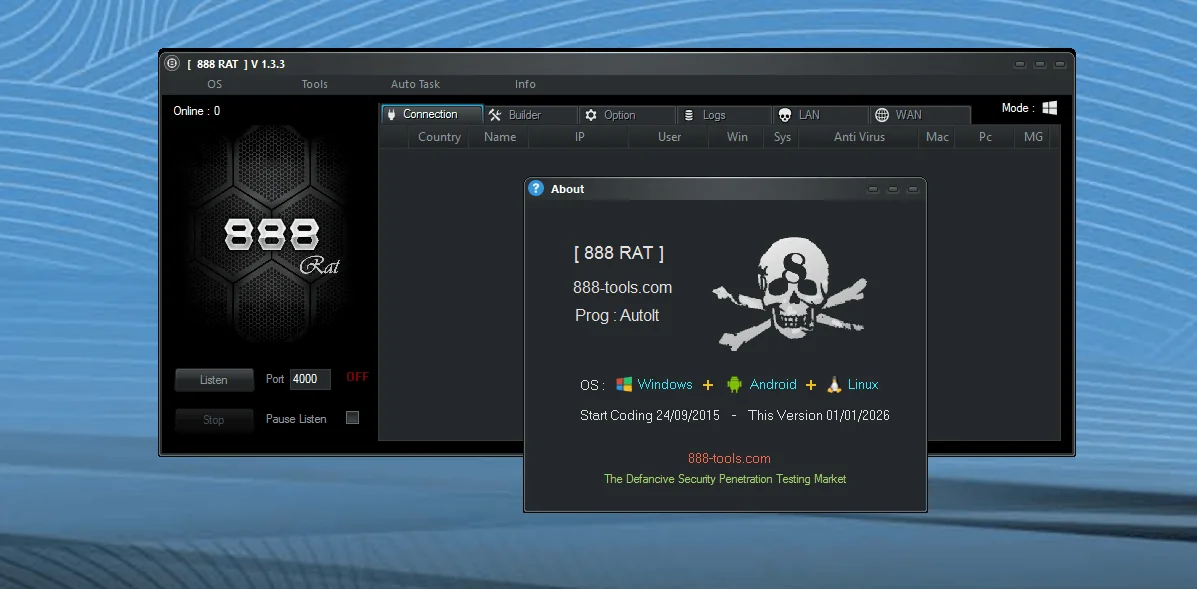
🛡️ What Is 888 RAT V1.3.3?
888 RAT V1.3.3 is a multi-platform Remote Access Trojan (RAT) capable of targeting Windows, Linux, and Android systems. Remote Access Trojans are a category of malware that provide unauthorized remote control over infected devices, enabling attackers to perform surveillance, steal information, execute commands, and maintain persistence on compromised systems.
Unlike malware designed for a single operating system, 888 RAT is notable because it supports multiple platforms, allowing threat actors to manage different types of infected devices from a centralized command infrastructure. Earlier versions primarily targeted Windows and Android before expanding to Linux support. (PCRisk)
🔍 Why Multi-Platform Malware Matters
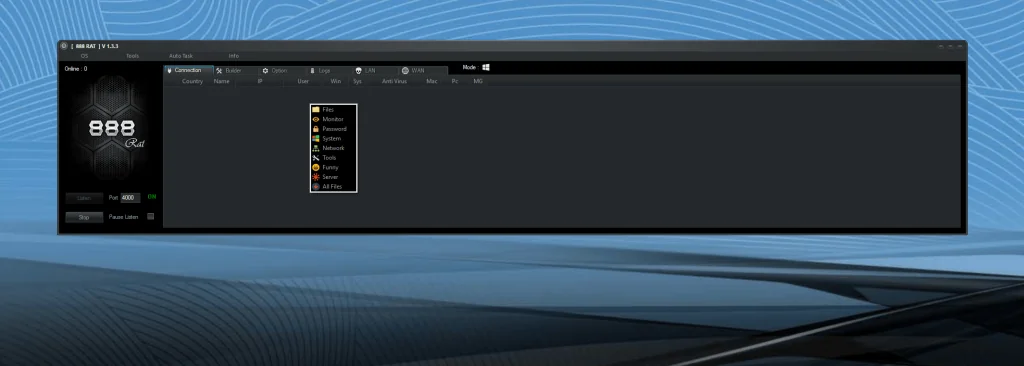
Cross-platform malware presents additional challenges for defenders because organizations commonly operate a mix of:
- Windows workstations
- Linux servers
- Android smartphones
- Virtual machines
- Cloud-hosted Linux instances
A single malware family capable of targeting multiple operating systems increases operational flexibility for attackers and broadens the potential attack surface.
⚙️ Supported Operating Systems
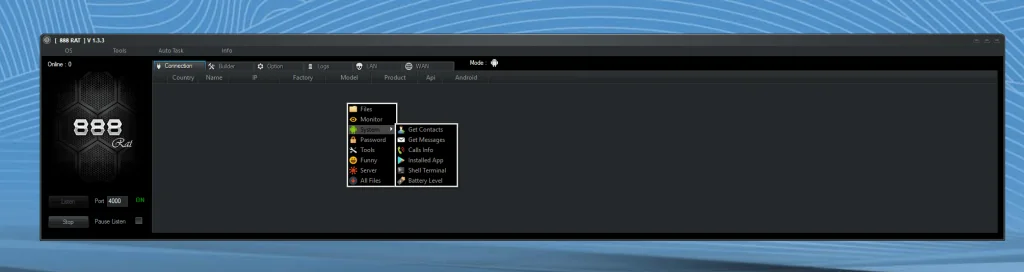
888 RAT V1.3.3 has been associated with support for:
• Windows
• Linux
• Android
888 RAT V1.3.3 multi-OS capability makes it attractive to threat actors seeking a unified management interface for compromised devices. Public reports and community analyses have documented versions supporting Windows, Android, and Linux platforms. (PCRisk)
🎯 Common Capabilities
Remote Access Trojans generally include features that allow attackers to remotely interact with compromised systems. Public analyses of the 888 RAT family describe capabilities such as:
📁 Remote File Management
Attackers may browse files, upload or download data, and remove files from compromised devices.
🖥️ Remote Command Execution
888 RAT V1.3.3 can execute operating system commands remotely, enabling attackers to perform administrative tasks without physical access.
📊 System Information Collection
Collected information may include:
- Operating system version
- Hostname
- Device identifiers
- Hardware specifications
- Installed software
- User information
- IP address
- Network configuration
📡 Persistent Remote Access
Persistence mechanisms are commonly used to maintain access after device reboots, allowing attackers to reconnect without user interaction.
📥 Payload Delivery
Compromised systems may receive additional malware, scripts, or tools after initial infection, enabling expanded functionality depending on attacker objectives.
🔄 Cross-Platform Administration
One distinguishing aspect of the 888 RAT family is the ability to manage multiple operating systems from a single framework, simplifying operations for attackers. (X (formerly Twitter))
📱 Android Threat Capabilities
Android-targeting variants have been publicly documented as capable of extensive device surveillance, including access to device information, messages, call logs, contacts, microphones, cameras, screenshots, and file storage, depending on granted permissions. These capabilities make infected devices vulnerable to credential theft, privacy violations, and espionage. (PCRisk)
🖥️ Windows and Linux Risks
On desktop and server systems, successful compromise may allow attackers to:
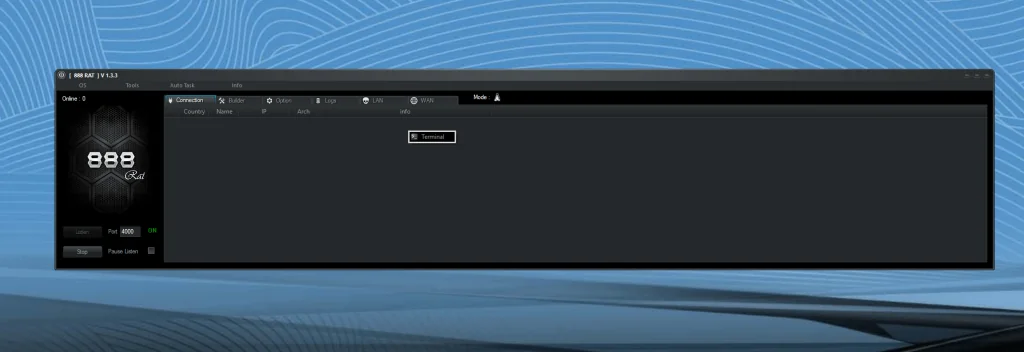
- Execute arbitrary commands
- Browse local files
- Collect system information
- Maintain persistent remote access
- Deploy additional malware
- Use infected systems as part of larger attack infrastructure
The exact functionality depends on the variant and attacker configuration.
🚨 Indicators of Compromise (IoCs)
Security teams should investigate systems exhibiting unusual behaviors such as:
- Unexpected outbound network connections
- Unknown startup entries
- Unauthorized scheduled tasks
- High CPU or memory usage without explanation
- Disabled security software
- Suspicious background services
- Unrecognized processes
- Unexpected PowerShell or shell execution
- Unusual file creation in temporary directories
Sandbox analyses of 888 RAT samples have also observed behaviors including process enumeration, registry queries, process injection techniques, and memory manipulation. (tria.ge)
🎣 Common Infection Methods
Threat actors commonly distribute Remote Access Trojans through:
- Phishing emails
- Fake software installers
- Cracked software
- Pirated applications
- Malicious APK files
- Fake software updates
- Trojanized utilities
- Malvertising campaigns
Users downloading unofficial software remain at elevated risk of infection.
🛡️ Detection Strategies
Organizations should implement layered detection including:
✅ Endpoint Detection and Response (EDR)
✅ Behavioral malware detection
✅ Network anomaly monitoring
✅ DNS filtering
✅ Email security gateways
✅ Threat intelligence feeds
✅ Application allow-listing
✅ File integrity monitoring
🔒 Best Practices for Protection
To reduce the likelihood of infection:
- Keep operating systems updated.
- Install applications only from trusted sources.
- Avoid cracked or pirated software.
- Enable multi-factor authentication.
- Deploy reputable endpoint protection.
- Restrict administrative privileges.
- Monitor outbound network traffic.
- Regularly back up critical data.
- Educate users about phishing attacks.
- Review endpoint logs for unusual activity.
🏢 Enterprise Security Recommendations
Organizations should also consider:
- Network segmentation
- Zero Trust access controls
- Least-privilege administration
- Security awareness training
- Centralized log collection
- Regular vulnerability assessments
- Continuous threat hunting
- Incident response planning
📈 Why Security Researchers Monitor 888 RAT V1.3.3
Multi-platform malware demonstrates how modern threat actors increasingly seek tools that can operate across heterogeneous environments. Studying malware families such as 888 RAT helps defenders improve detection capabilities, understand attacker tradecraft, and strengthen incident response processes. Public repositories and malware analyses have documented builder variants and cross-platform support, underscoring the importance of monitoring this family.
Virus Total Report 888 RAT V1.3.3
https://www.virustotal.com/gui/file/689a7d9f559465052ee580237e142ba8ea6fee88bb33b6e598b130431ddabf44Download 888 RAT V1.3.3
✅ Conclusion
888 RAT V1.3.3 represents a cross-platform Remote Access Trojan capable of targeting Windows, Linux, and Android environments. Its ability to operate across multiple operating systems increases the complexity of defending modern networks. While its capabilities vary between versions, the malware family illustrates the importance of layered security controls, continuous monitoring, timely patching, and user awareness. Organizations that combine endpoint protection with proactive threat hunting and strong security policies are better positioned to detect and contain such threats before significant damage occurs.
❓Frequently Asked Questions
What is 888 RAT V1.3.3?
It is a multi-platform Remote Access Trojan capable of targeting Windows, Linux, and Android devices.
Which operating systems are supported?
Publicly documented variants support Windows, Linux, and Android.
Why is cross-platform malware dangerous?
It enables attackers to target diverse environments using a single malware family, increasing operational flexibility.
How can organizations defend against it?
Use layered security controls including EDR, patch management, network monitoring, application allow-listing, user awareness training, and regular threat hunting.